

Über das Übersetzungsbüro CLIPPER
Jung und erfahren – bei CLIPPER kein Widerspruch
Die CLIPPER Übersetzungen AG ist gut 30 Jahre jung. Schon die Gründungsmitglieder brachten viel Erfahrung im anspruchsvollen Übersetzungsmarkt mit. So konnte die CLIPPER Übersetzungen AG rasch wachsen.
Der Erfolg und die Resultate zeigen, dass unser Konzept stimmt: Wir sind im mittleren Preissegment zuhause, wählen die Übersetzerinnen und Übersetzer sorgfältig aus und betreiben eine kundenorientierte Politik.
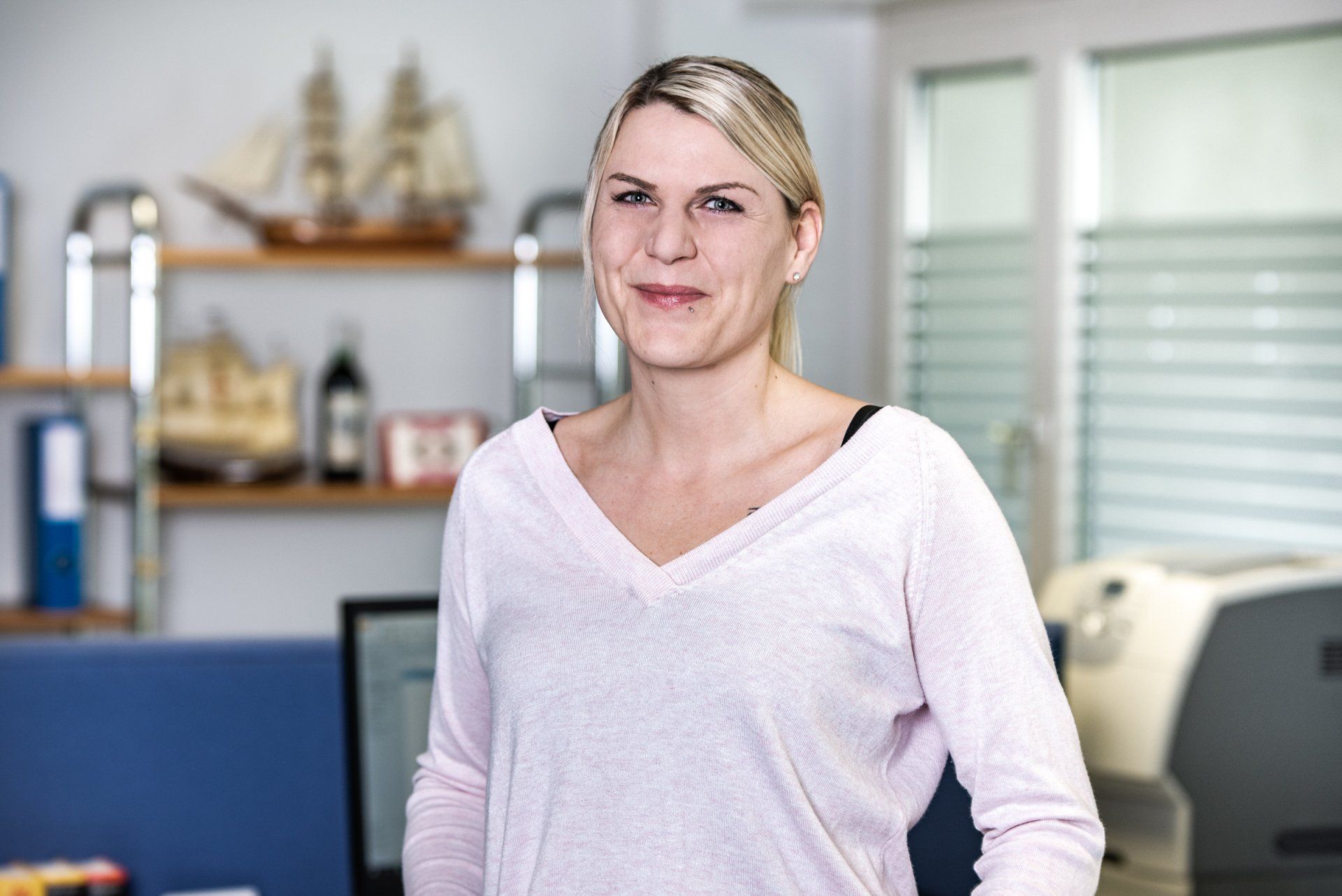
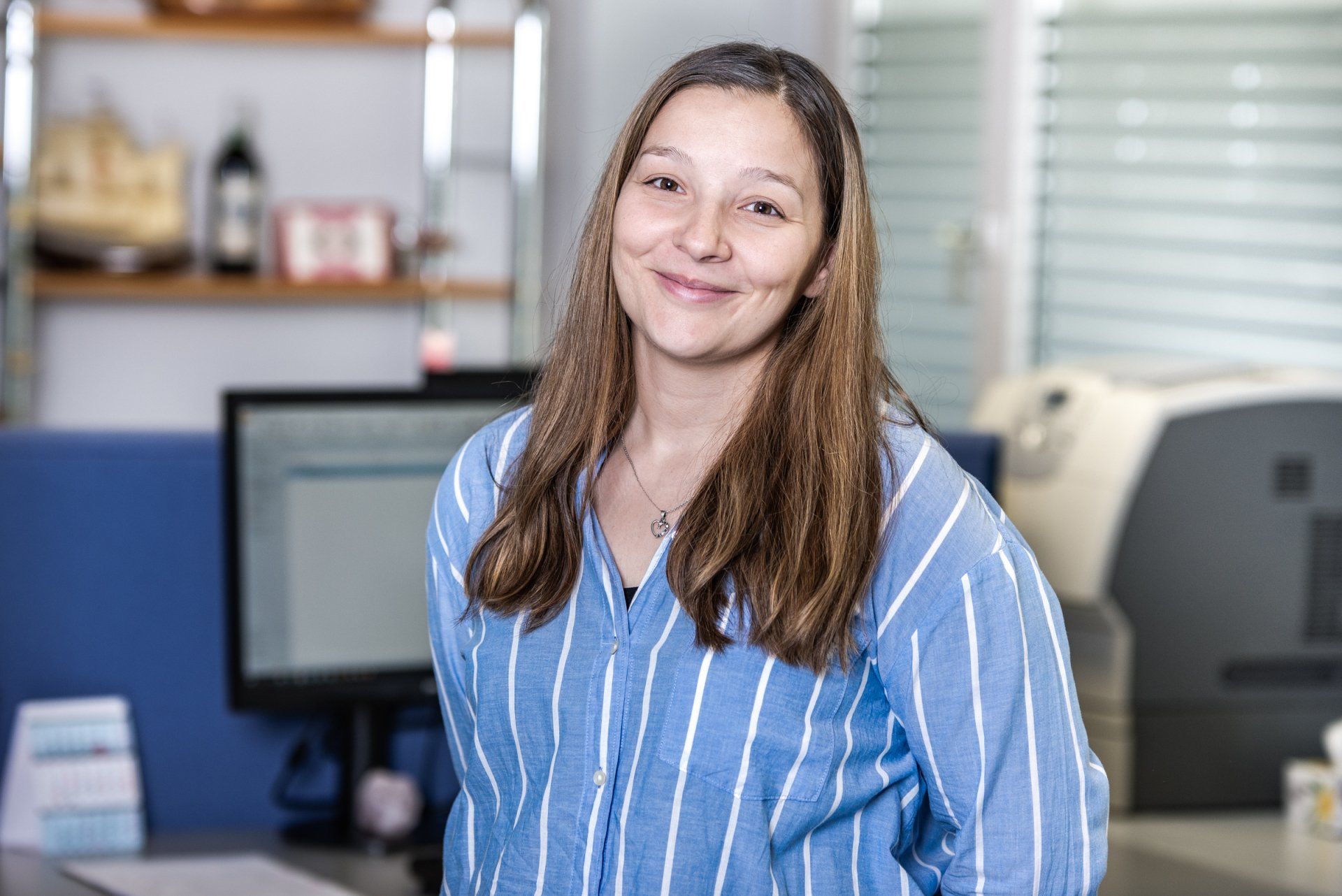
2013 haben Giovanna Vazquez (m.) und Andrea Weidmann (r.) das Steuer auf dem CLIPPER-Schiff übernommen. Die zwei engagierten Jung-Unternehmerinnen bringen zusammen über 30 Jahre Berufserfahrung bei CLIPPER Übersetzungen AG mit, kennen den Markt, die Wünsche und Bedürfnisse der Kunden. Qualität und Zuverlässigkeit stehen im Vordergrund. Dabei können sie auf ein kompetentes und geprüftes Übersetzungsteam zählen.